Do you grind your teeth? Teeth grinding and bruxism treatment Brentwood and Essex
If you regularly wake with a tight jaw, morning headaches or sensitive teeth, or someone has told you that you grind your teeth in your sleep, it is worth having your teeth and bite assessed.
Bruxism is the medical term for grinding or clenching your teeth. It can happen while you are awake or asleep, and many people do not realise they are doing it until the effects begin to show.
At SmileHQ, we take a considered, highly personalised approach to teeth grinding in Brentwood, looking at the symptoms you can feel and the way your teeth, muscles and bite are responding over time. The aim is to protect your natural teeth, reduce avoidable strain and, where wear has already occurred, plan carefully for the health, comfort and appearance of your smile.
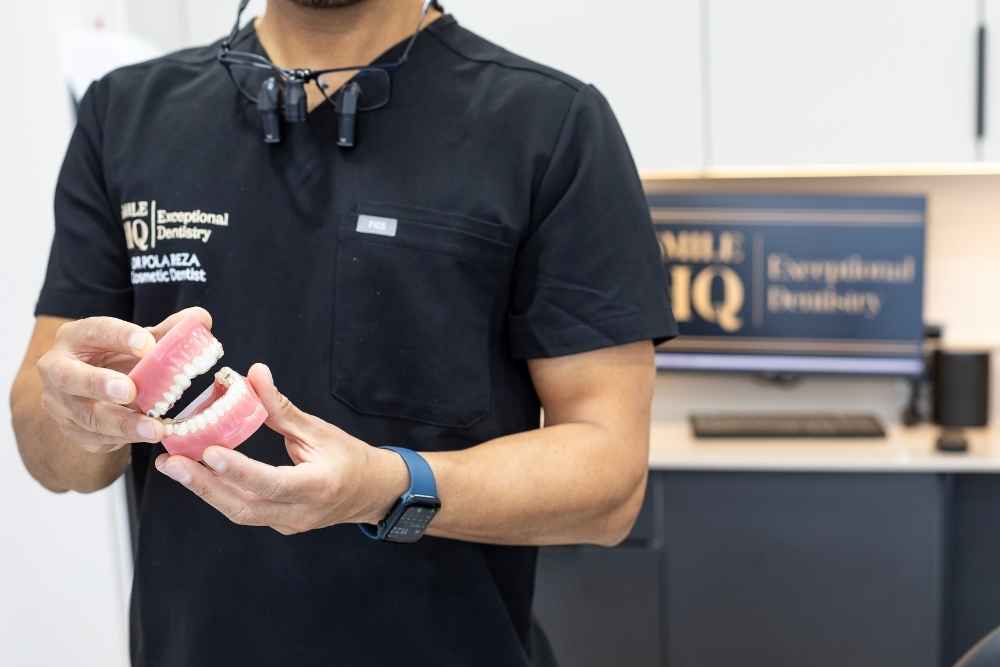
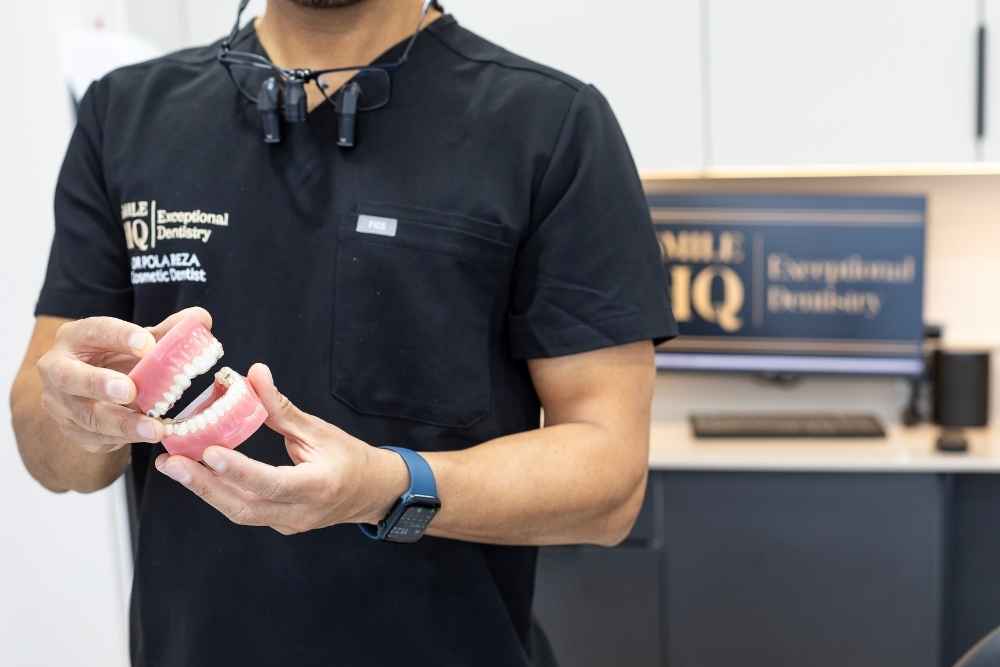
Bruxism can place significant pressure on the teeth and jaw, so early assessment can help protect your smile from further wear and damage.
What are the signs and symptoms of bruxism?
Bruxism symptoms and signs vary from person to person. Some are obvious, while others can be surprisingly subtle.
Jaw pain linked with bruxism may come from overworked chewing muscles, including the masseter muscle at the side of the jaw. Persistent clenching can leave these muscles feeling tight, tired or tender, particularly first thing in the morning.
You may notice:
- Worn, flattened or chipped tooth edges
- Tooth sensitivity
- Cracks or damage to teeth, fillings or other restorations
- Jaw tightness, aching or fatigue, particularly in the morning
- Headaches on waking
- Facial or ear discomfort
- Disturbed sleep
- A partner hearing you grind your teeth at night
Because these symptoms can have other causes, a dental assessment is important rather than assuming bruxism is responsible.
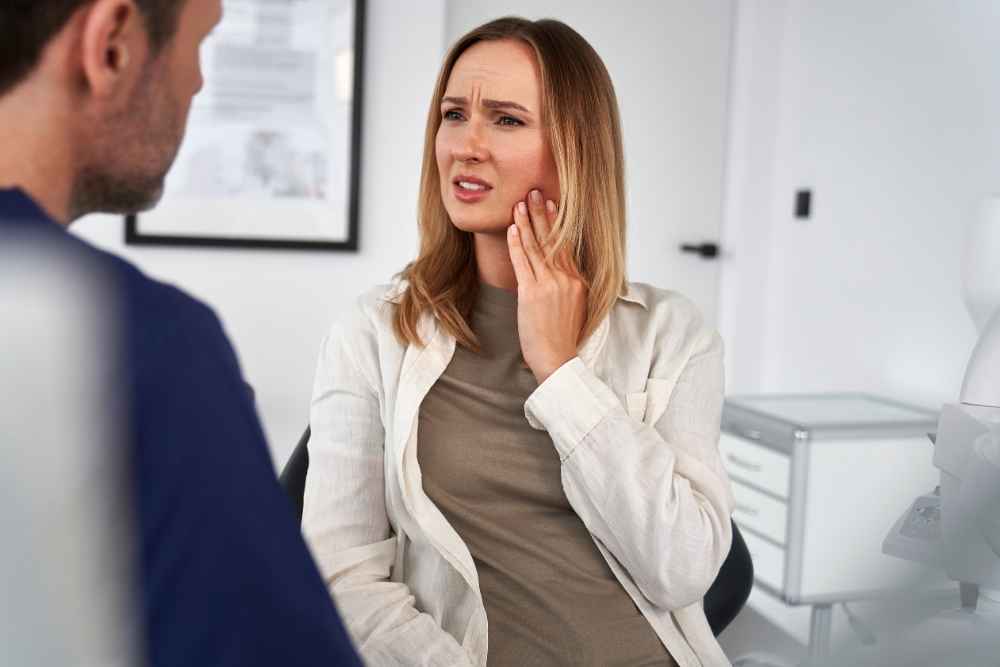
Jaw pain, morning headaches and tooth sensitivity can all be associated with bruxism and are worth discussing with your dentist.
A bruxism dentist in Brentwood may also spot changes before they become more extensive. Fine wear patterns, small fractures or changes to existing dental work can reveal repeated pressure that you have not consciously noticed.
Why do people grind their teeth?
There is rarely one simple explanation. Stress and anxiety can contribute to clenching and grinding, while poor or interrupted sleep can make sleep bruxism more likely. Smoking, alcohol and high caffeine intake may also play a part.
Sleep-related conditions can sometimes be relevant too. Obstructive sleep apnoea, for example, can occur alongside sleep bruxism, although the relationship between the two is not yet fully understood. If grinding is accompanied by snoring, disrupted sleep or other sleep-related symptoms, it is worth mentioning these as part of your assessment.
Your dentist will also assess how your teeth meet and where biting forces are being concentrated. An uneven bite may influence how pressure is distributed, although bruxism itself is not simply caused by having a "bad bite". Well-planned teeth grinding treatment in Brentwood begins with understanding your individual pattern rather than assuming the same solution will suit everyone.
Can bruxism cause tight or overactive masseter muscles?
Repeated clenching can place considerable demand on the masseter muscles, which are powerful chewing muscles positioned at the sides of the jaw. For some people, this may contribute to jaw tightness, aching, fatigue or tenderness, particularly after periods of frequent clenching.
If jaw-muscle tension is a significant part of your symptoms, we can assess this alongside your teeth, bite and pattern of grinding. Depending on what we find, we can discuss the management options that may be appropriate for you following a clinical assessment.
If you're experiencing jaw pain from bruxism in Brentwood, persistent clenching or symptoms associated with teeth grinding, an assessment can help establish whether the teeth, jaw muscles or both are being affected.
What can happen if bruxism is left untreated?
Occasional grinding does not necessarily mean you need treatment. The concern is repeated force over time, particularly if it is causing pain or damaging your teeth.
In the shorter term, you may experience jaw tension, headaches or sensitivity. Over time, repeated grinding can wear enamel, chip or fracture teeth and place extra stress on fillings, crowns and other restorations.

Night time teeth grinding can contribute to jaw tension, headaches, tooth sensitivity and dental wear over time.
For some people, significant tooth wear can gradually alter the shape and proportions of the smile. If that happens, simply repairing one chipped edge may not address the wider reason it failed.
At SmileHQ, our broader focus on advanced restorative dentistry means that if bruxism has affected the health, function or appearance of your teeth, we can consider the smile as a whole and plan treatment with long-term stability in mind.
How do you stop grinding your teeth at night?
If you are searching for how to stop grinding teeth at night, it is useful to know that sleep bruxism is not something most people can simply decide to stop doing.
Treatment usually focuses on reducing contributing factors where possible, protecting the teeth and managing pain or damage.
Depending on your symptoms, this may include:
- Reviewing stress, sleep and lifestyle factors
- Becoming more aware of daytime clenching and keeping the jaw relaxed
- Avoiding chewing gum or very hard foods if your jaw is sore
- Seeking GP or sleep assessment where another health issue may be contributing
- Wearing a professionally fitted dental splint at night
- Restoring significantly damaged or worn teeth, where appropriate
Where jaw-muscle tension or overactivity is contributing to your symptoms, your dentist can also assess the muscles involved in clenching, including the masseter muscles, and discuss whether any additional treatment may be appropriate. If jaw pain is a major feature, your dentist may recommend further support. Bruxism jaw pain treatment in the UK can involve self-management, dental splint therapy, physiotherapy or other care depending on the cause and severity of symptoms.
What is an occlusal splint?
An occlusal splint is a custom-made dental appliance worn over the teeth, usually at night, to help protect them from the effects of grinding and clenching. You may also hear it called a night guard, bite guard or dental splint. "Mouth guard" is a broader term, but it is also commonly used by patients searching for this type of treatment.
An occlusal splint usually looks like a clear or translucent plastic appliance that fits closely over either the upper or lower teeth. It may look a little like a dental retainer at first glance, although splints used for bruxism are designed specifically to manage the forces created when you clench or grind.
How do teeth grinding night guards work?
If teeth grinding is placing your natural teeth or existing dental work at risk, we may recommend a custom night guard to help protect them while you sleep.
Its role is primarily protective. The splint creates a carefully fitted surface between the upper and lower teeth, helping to reduce direct tooth-to-tooth wear and the risk of chips, fractures or damage to existing restorations.
Teeth grinding night guards in Essex
If you are looking for a mouth guard for teeth grinding in Brentwood or across Essex, we recommend having your teeth assessed first. The right appliance depends on your bite, existing dental work, symptoms and pattern of wear. A generic over-the-counter mouth guard may not provide the same fit or support as a professionally planned dental splint.
Teeth grinding: NHS vs private treatment in the UK
Both NHS and private dentists can assess teeth grinding. NHS dental care provides treatment that is clinically necessary to keep your mouth and teeth healthy, and a dentist may recommend a mouth guard or splint when appropriate.
Private care may be chosen where patients want to explore a broader treatment plan, particularly where tooth wear has already affected the health, function or appearance of the smile.
At SmileHQ, bruxism treatment is approached as part of the bigger clinical picture. We look carefully at tooth wear, existing restorations, bite, symptoms and your longer-term goals before recommending treatment. If damaged or worn teeth need restoring, that can be planned with the same attention to function, aesthetics and detail.
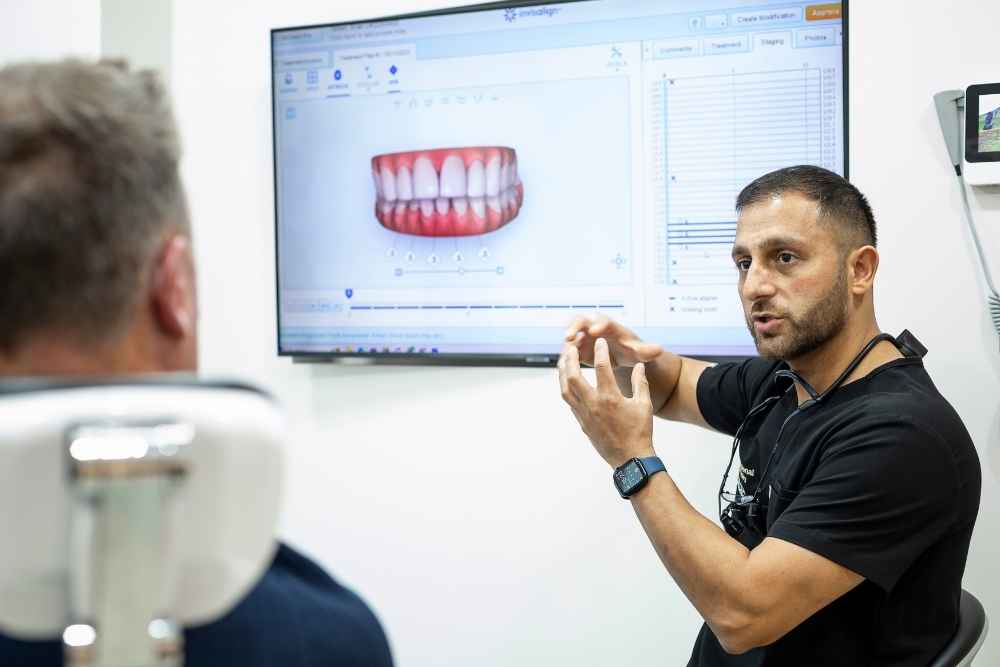
Bruxism treatment Brentwood at SmileHQ begins with a detailed assessment of your teeth, bite, symptoms and any existing signs of wear.
What should I do if I think I have bruxism?
If you suspect you grind or clench your teeth, book a dental assessment. It is particularly important if you have pain in your jaw, face or ears, sensitive or damaged teeth, recurrent breakages, or a partner has noticed grinding while you sleep.
Tell us when symptoms are worst, whether you wake with headaches or jaw tension, and whether you have noticed recent changes in sleep, stress or dental comfort. Small details can help build a much clearer picture.
What happens during a bruxism consultation at SmileHQ?
A bruxism consultation at SmileHQ begins with understanding how teeth grinding or clenching is affecting you. We’ll assess your teeth and bite, look for signs of wear, chips or damage to existing dental work, and talk through symptoms such as morning headaches, jaw pain or tooth sensitivity.
Where relevant, we may also assess the muscles involved in clenching, including the masseter muscles at the sides of the jaw. Tell us if your jaw regularly feels tight, tired or tender, whether symptoms are worse when you wake, and if you’ve noticed periods when you clench more frequently.
Treatment is then considered around your individual findings. This may include monitoring, advice around contributing factors, a custom-made night guard or occlusal splint to help protect the teeth, management of jaw-muscle tension where appropriate, or restorative treatment where grinding has already caused significant wear or damage.
At our Brentwood practice, every recommendation is made following an individual assessment rather than assuming that the same approach to bruxism will suit everyone.
Book a bruxism consultation in Brentwood
SmileHQ offers personalised bruxism assessment and treatment from our Brentwood practice, welcoming patients from Billericay, Braintree and across the wider Essex area.
If teeth grinding is beginning to affect your comfort, your teeth or the way your smile looks, we can assess what is happening and explain the options clearly. From a carefully fitted occlusal splint to advanced restorative planning where tooth wear has already occurred, every recommendation is shaped around protecting your natural teeth and planning thoughtfully for the future.
Arrange a private consultation with SmileHQ in Brentwood to take the first step – book here.
Frequently asked questions
What is bruxism and when should I seek bruxism treatment in Brentwood?
Bruxism is repeated clenching or grinding of the teeth, and you should consider a dental assessment if it is causing jaw pain, headaches, tooth sensitivity, visible wear or unexplained dental damage. At SmileHQ in Brentwood, we assess your symptoms, bite, pattern of wear and existing dental work before recommending appropriate treatment.
What are the most common signs of teeth grinding?
Common signs of teeth grinding include worn or chipped teeth, tooth sensitivity, jaw pain and morning headaches. Some people also notice tight facial muscles, discomfort around the ears or damage to fillings and restorations. Because bruxism often happens during sleep, you may be unaware of it until a dentist or partner notices the signs.
Can stress or sleep disorders cause bruxism?
Stress and disrupted sleep can contribute to teeth grinding and clenching in some people. Sleep-related conditions such as obstructive sleep apnoea can also occur alongside sleep bruxism, although the relationship is not fully understood. If you also experience snoring, poor sleep or other sleep-related symptoms, we may suggest discussing these with your GP or another appropriate healthcare professional.
Can bruxism treatment help with jaw muscle tension?
Bruxism treatment may help manage jaw muscle tension when clenching or grinding is contributing to tight, tired or uncomfortable muscles. Your dentist can assess the masseter muscles alongside your teeth, bite and symptoms before discussing an appropriate management approach based on what they find.
What is a custom night guard for teeth grinding?
A custom night guard is a professionally made dental appliance designed to protect your teeth from the forces created by grinding or clenching. It is made to fit your individual teeth and bite, helping to reduce direct tooth-to-tooth wear and protect natural teeth and existing dental work while you sleep.
Is an occlusal splint the same as a night guard?
An occlusal splint is a professionally made dental appliance often worn at night to protect the teeth and manage the forces created by grinding or clenching. “Night guard” is a broader, everyday term that can describe several types of protective appliance. At SmileHQ, we assess your teeth, bite and symptoms before recommending the most appropriate option.
Will a night guard stop me grinding my teeth?
A night guard usually protects your teeth from the effects of grinding rather than guaranteeing that the grinding itself will stop. Its main role is to reduce tooth-to-tooth wear and help protect against chips, fractures and damage to existing dental work. It may form part of a wider bruxism treatment plan.
Can dental bite misalignment cause teeth grinding?
Bite misalignment is not considered a simple or universal cause of bruxism, although your bite can affect how grinding and clenching forces are distributed across your teeth. During an assessment, your dentist can look at how your upper and lower teeth meet and whether certain teeth or restorations appear to be carrying greater pressure.
Can bruxism affect my oral health?
Yes, persistent bruxism can affect your oral health by wearing enamel, fracturing teeth and placing additional strain on fillings, crowns and other restorations. Over time, it may also contribute to tooth sensitivity, changes in tooth shape or discomfort when biting. Where wear is more extensive, restorative treatment may be considered alongside protection from further damage.
How do I book bruxism treatment at SmileHQ in Brentwood?
You can book a private bruxism consultation at SmileHQ in Brentwood if you are concerned about teeth grinding, jaw pain or tooth wear. We welcome patients from Brentwood, Billericay, Braintree and across Essex, and your assessment will help us understand your symptoms and talk you through the most appropriate next steps.